Avoid hidden costs in Abbey Wood rubbish removal
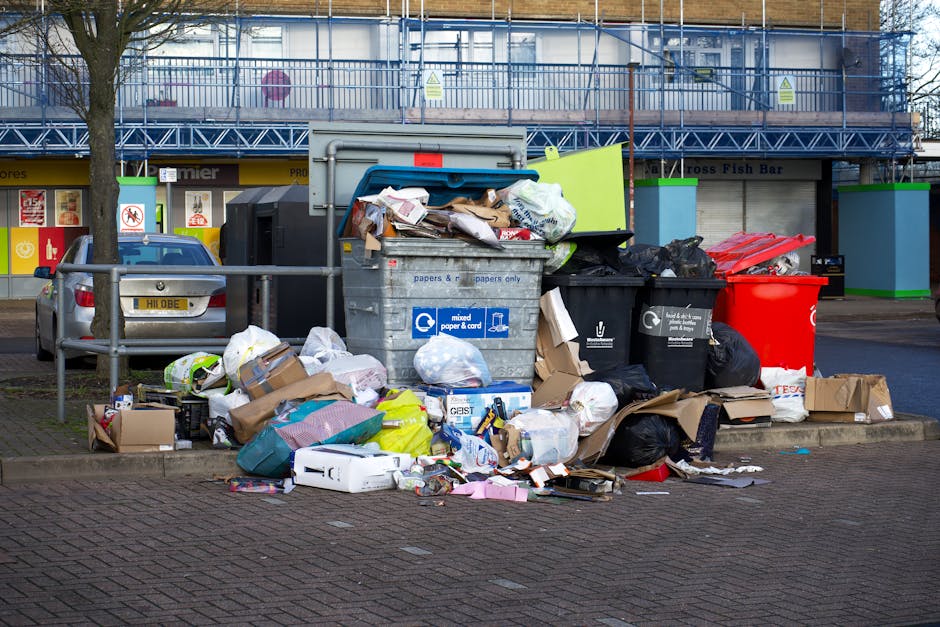
If you have ever booked a rubbish collection and then watched the final bill creep up, you will know the feeling: a neat quote turns into an awkward surprise. That is exactly why people search for ways to avoid hidden costs in Abbey Wood rubbish removal. The good news is that most unpleasant extras are avoidable once you know where they usually appear, what questions to ask, and which details to confirm before anyone lifts a single bag.
In Abbey Wood, rubbish removal is often needed for everyday reasons rather than big dramatic clear-outs. A flat refurbishment, a garden tidy, a loft full of forgotten bits, or an office that needs to be emptied before the end of the week. Whatever the job, paying a fair price matters. This guide breaks down the common cost traps, how pricing usually works, what to check in advance, and how to make a sensible choice without overpaying. To be fair, it is not complicated once you slow it down a bit.
Why hidden costs matter
Hidden charges are frustrating because they usually arrive after you have already committed. That can mean a job that looked affordable suddenly becomes less so, especially if the collection was arranged in a hurry. In rubbish removal, small details make a big difference: access, weight, item type, labour time, and whether the waste can be loaded quickly or has to be carried from awkward places. Miss one of those details and the price can shift.
For Abbey Wood households and businesses, the issue is not just money. It is also timing, convenience, and trust. If you are clearing a property in SE2, renovating a room, or just trying to reclaim the spare corner of a garage, the last thing you need is a van team pausing at the kerbside to renegotiate. A clear quote gives you control. A vague one hands control over to the person with the clipboard. Not ideal.
There is another reason this matters. Rubbish removal can involve items that need special handling, such as fridges, mattresses, sofas, electricals, or potentially hazardous materials. If those are not discussed upfront, the price can rise later. Better to know now than to discover it when the load is already partly gone and nobody wants to argue beside the front gate.
Expert summary: the best way to avoid hidden rubbish removal costs is to get a written, itemised quote, describe the waste honestly, confirm access and labour conditions, and ask what is not included before booking.
How rubbish removal pricing works
Most rubbish removal services price jobs using a mix of load size, labour, item type, and disposal requirements. Some jobs are straightforward: a few black bags, a broken chair, and a small number of cardboard boxes. Others are more involved because the team has to remove bulky furniture, carry waste down stairs, or deal with mixed materials that take longer to sort.
If you want to avoid hidden costs in Abbey Wood rubbish removal, learn the main pricing drivers first. That way, you can judge whether a quote sounds realistic or suspiciously thin.
Common factors that affect the final price
- Volume: how much space the rubbish takes up in the vehicle.
- Weight: heavy waste can cost more to transport and dispose of.
- Type of waste: general household rubbish is usually simpler than specialist items.
- Labour: more lifting, carrying, dismantling, or sorting can change the price.
- Access: stairs, narrow hallways, parking restrictions, or long carries can add time.
- Special handling: fridges, appliances, mattresses, and certain waste streams may have extra handling requirements.
Some providers offer a quote based on what you describe, then adjust once they see the load in person. That can be fair if the difference is explained clearly and the change is reasonable. The problem comes when the estimate is deliberately low just to win the booking. You see the trick, then you still have to pay to get rid of the pile in the corner. Bit of a nuisance, frankly.
What a transparent quote should tell you
A proper quote should answer a few basic questions without making you chase for them. For example:
- What exactly is included in the price?
- Are labour and loading included or charged separately?
- Does the price depend on weight, volume, or item type?
- Are there extra fees for stairs, parking issues, or difficult access?
- Are any items excluded from the service?
- How are changes handled if the load is larger than expected?
If the answer is fuzzy, slow down. A bit of friction now is better than an invoice surprise later.
Key benefits and practical advantages
Getting pricing right does more than protect your wallet. It makes the whole process calmer, faster, and easier to plan. When you know what is included, you can choose a service that suits the job rather than hoping it all works out on the day.
What you gain from clear pricing
- Budget control: you can compare quotes properly and avoid overspending.
- Less stress: there is no need for awkward back-and-forth at collection time.
- Faster decisions: clear pricing makes it easier to book quickly.
- Better planning: you can align the collection with a move, renovation, or office schedule.
- More trust: transparent companies tend to be easier to deal with if something changes.
It is also easier to compare rubbish removal with other disposal options. In some cases, a skip might suit a longer project. In others, an attended collection is better because you want the waste gone in one visit and you do not have space outside. If you are unsure what fits, it helps to read a guide like what can go in a skip before making a choice. That simple step can stop you paying for the wrong method.
For households, the big advantage is convenience. For businesses, it is predictability. For landlords and letting agents, it is about keeping turnaround times under control. Different needs, same principle: know the price before the job begins.
Who this is for and when it makes sense
This advice is useful for almost anyone arranging rubbish removal in Abbey Wood, but a few groups feel the pain of hidden costs more sharply than others.
Typical situations where pricing clarity matters most
- Homeowners: after a declutter, refurb, garden project, or loft clear-out.
- Tenants and landlords: when flats or houses need clearing between occupiers.
- Small businesses: when office waste, old stock, or furniture has to disappear fast.
- Builders and tradespeople: when waste piles up during a project and time is tight.
- Families in a move: when furniture, appliances, and mixed rubbish all need sorting at once.
You might think hidden costs only happen on large jobs. Not really. A small job can still become expensive if it involves a lot of lifting, awkward access, or specialist items. Imagine a sofa on the third floor, no lift, a tight staircase, and a van that cannot park close by. That is not just a sofa removal anymore. That is a logistics exercise with cushions.
On the other hand, if your load is tidy, accessible, and clearly described, rubbish removal can be very straightforward. The trick is honesty and detail. Nothing fancy.
Step-by-step guidance
If you want to avoid hidden costs in Abbey Wood rubbish removal, follow a simple process. It does not need to be drawn out. It just needs to be specific.
- List what needs removing. Write down the items or waste types, not just "a bit of rubbish." Separate furniture, bags, appliances, garden waste, and building debris.
- Estimate the load honestly. A rough idea of how much space the waste takes up helps the quote stay accurate.
- Note access conditions. Mention stairs, basements, narrow hallways, parking limits, garden access, or gated entries.
- Flag special items early. Appliances, mattresses, and awkward bulky goods should be mentioned before booking. If you have mixed waste, say so.
- Ask what the quote includes. Labour, loading, transport, and disposal should be clear. If there are minimum charges, ask about those too.
- Request confirmation in writing. A written quote or booking summary helps avoid misunderstandings later.
- Check payment terms. Make sure you understand when payment is due and what methods are accepted. A service page like payment and security is useful if you want to understand how the company handles transactions.
- Review terms before you agree. Look for cancellation rules, access changes, waiting time, and any charges for items not declared. The terms and conditions page should help with this.
A small real-world tip: take one or two photos of the waste area before you book. You do not need a photo essay. Just enough to show the amount, the item types, and the route to the waste. It saves a lot of "oh, I thought it was smaller" conversation later.
Expert tips for better results
There are a few habits that consistently help people avoid hidden costs. None of them are dramatic. They are just the practical things seasoned customers do without fuss.
Make the description boringly clear
Yes, boringly. That is the point. Say "two sofas, one fridge, six black bags, and three flat-pack shelves" rather than "some bits from the lounge." Precision protects you.
Ask about labour assumptions
Some quotes assume waste is already outside and easy to load. Others include full clearance from inside the property. Those are very different jobs. If your rubbish is in a loft, behind locked doors, or across a back garden, confirm whether that is covered.
Check whether sorting will take extra time
Mixed waste can be slower to handle than a single waste stream. If your pile includes timber, metal, soft furnishings, and general rubbish all together, ask whether that affects the price. It often can.
Be cautious with "from" prices
A "from" price is not always a bad sign, but it should be accompanied by a clear explanation of what changes the figure. If not, you are basically playing pricing roulette. Nobody needs that on a Wednesday morning.
Use service-specific pages where relevant
If your job is mainly about furniture, appliances, or a specific type of clearance, look for the most relevant service page rather than guessing. For example, furniture-heavy jobs may be better matched to furniture clearance or furniture disposal, while mixed property jobs may suit home clearance or house clearance. Matching the service to the job is one of the easiest ways to keep pricing sensible.
Common mistakes to avoid
Most hidden-cost problems come from a few repeat mistakes. The good news? They are easy to dodge once you know them.
1. Being too vague
"A few items" is not enough. The more vague the brief, the more room there is for price changes. That is how a simple job becomes a disputed one.
2. Forgetting access issues
If a collection involves stairs, parking restrictions, long carrying distances, or awkward entry points, say so early. A van can only park where a van can park. Abbey Wood roads, like many London areas, can be less forgiving than people expect.
3. Not checking excluded items
Some items need special handling. A company may treat fridges, mattresses, sofas, or hazardous waste differently. If those items are part of your load, do not assume they are included.
4. Choosing the cheapest quote without reading the detail
Cheapest is not always cheapest. A low headline price can hide add-ons for loading, disposal, parking, congestion, or extra labour. Read the wording. Every line, if you can manage it.
5. Not asking how changes are priced
Sometimes the load changes on the day because you discover more rubbish than expected. Fair enough. But you should know in advance how that will be priced. Otherwise, you are negotiating under pressure, and nobody enjoys that.
Tools, resources and recommendations
You do not need a big toolkit to plan rubbish removal well. A few simple resources make the process smoother and more predictable.
- Phone camera: take photos of the waste, access route, and any bulky items.
- Notepad or notes app: list item counts, approximate sizes, and any special concerns.
- Basic measuring tape: handy for doors, hallways, or large furniture that may need dismantling.
- Calendar: useful for matching collection timing with moves, works, or tenancy deadlines.
- Service pages: use relevant pages like builders waste clearance, office clearance, or garden clearance to understand the best match for the job.
If you are dealing with confidential papers or old files, do not just chuck them in with mixed rubbish and hope for the best. A dedicated service such as confidential shredding may be more appropriate. Likewise, if the job includes a freezer or washing machine, check fridge and appliance removal rather than assuming every collection covers them automatically.
For bulky household items, the pages for mattress and sofa disposal can be particularly helpful. They make it easier to understand how specialist items are usually handled. Small clarification, big difference.
Law, compliance and best practice
Rubbish removal is not just about convenience and price. In the UK, waste has to be handled responsibly, and customers should be careful about who they hire. You do not need to become a legal expert, but a basic understanding helps you avoid risky decisions.
As a general rule, waste should be transported and disposed of by a responsible operator, and anyone hiring a service should be satisfied that the company is taking safety, insurance, and environmental responsibility seriously. That does not mean you need to audit every process yourself. It does mean you should look for signs of good practice.
Useful signals include:
- clear pricing terms;
- insurance and safety information;
- an explained complaints process;
- recycling and sustainability information;
- plain-English guidance on waste types and exclusions.
If a company offers details on insurance and safety, that is reassuring. So is a visible complaints procedure, because it shows there is a process if something goes wrong. And if you care about where your waste ends up, the page on recycling and sustainability can be a useful sign that the business thinks beyond the collection itself.
Best practice also means being honest about hazardous or specialist waste. If there is any doubt, it is better to ask before booking than to assume later. A careful conversation upfront is boring, yes, but it protects everyone.
Options, methods, or comparison table
When you are deciding how to clear rubbish in Abbey Wood, you are usually choosing between a few practical options. Each has its place. The right one depends on the job size, timing, access, and how much work you want to do yourself.
| Option | Best for | Main cost risk | What to check |
|---|---|---|---|
| Attended rubbish removal | Quick clearances, mixed waste, bulky items | Extra labour or access charges | What is included in loading and removal |
| Skip hire | Longer projects with steady waste flow | Permit needs, overfilling, unsuitable waste | What can go in a skip and how long you need it |
| Specialist item removal | Appliances, mattresses, sofas, or specific waste streams | Item-specific handling fees | Whether the item is accepted and how it is priced |
| Full property clearance | House moves, probate, end-of-tenancy jobs | Scope creep if extra rooms or items are added later | Which rooms, items, and labour are covered |
If you are on the fence between options, ask yourself one thing: do you want the waste gone now, or do you want a container for ongoing disposal? That simple question usually narrows it down fast.
Case study or real-world example
Here is a very typical Abbey Wood scenario. A family is clearing a two-bedroom flat before moving. They have a sofa, a bed frame, a mattress, several black bags, and a few electrical bits from the kitchen. They call for a quote and describe it as "general junk from the flat." The initial estimate sounds decent.
On the day, the team arrives and finds the sofa is upstairs, the mattress is in a narrow room, the building has no lift, and parking is a little awkward because of local street layout. Suddenly the work takes longer than anyone expected. Not a disaster, but not exactly what the customer had in mind either.
Now compare that with a better version. The customer sends photos, lists the items, confirms the flat is on the second floor, and mentions there is limited parking nearby. The company can price the job properly from the start. The quote may be a little higher than the first rough estimate, but it is accurate. No squabbling. No surprise add-on. Everyone leaves with a cleaner conscience and a cleaner hallway.
That is really the whole game. Clarity upfront beats a cheap number that changes later.
Practical checklist
Use this checklist before you book rubbish removal in Abbey Wood. It is simple, but it catches most of the problems that lead to hidden costs.
- Have I listed every item or waste type clearly?
- Have I included photos if the job is not straightforward?
- Have I mentioned stairs, parking, gates, basements, or long carrying distances?
- Have I checked whether bulky, heavy, or specialist items cost extra?
- Do I know whether labour and loading are included?
- Have I asked what happens if the load is larger than expected?
- Have I read the terms and conditions?
- Do I understand the payment terms and security process?
- Have I checked whether recycling or disposal restrictions affect the price?
- Do I know who to contact if there is a problem after booking?
Tick those off and you are already ahead of most people. Really, you are.
Conclusion
To avoid hidden costs in Abbey Wood rubbish removal, focus on clarity, not guesswork. Describe the waste properly, confirm access, ask what is included, and make sure the quote is written down in plain language. That is the formula. Nothing glamorous, but very effective.
For some jobs, the cheapest offer will work out fine. For many others, the best value comes from a provider that explains the price clearly and handles the practical details without drama. In everyday life, that kind of calm reliability is worth a lot. Especially when the van is waiting outside and your day is already busy enough.
Get a free quote today and see how much you can save.
If you want a smoother experience, take a few minutes to plan the job properly and choose the right clearance service for the waste in front of you. A little care now can save money, time, and a fair bit of hassle later. And honestly, that is a pretty good trade.
Frequently Asked Questions
How do I avoid hidden costs in Abbey Wood rubbish removal?
Give a clear item list, share photos if possible, mention access issues, and ask for a written quote that explains what is included and what could change the price.
Why does rubbish removal cost more than I expected?
Final prices often rise because of extra labour, difficult access, heavy waste, specialist items, or a larger load than first described. Vague descriptions are a common reason.
Should I choose the cheapest rubbish removal quote?
Not automatically. The cheapest headline price may leave out labour, loading, or special item handling. Compare the full details, not just the number at the top.
Do I need to mention stairs or parking restrictions?
Yes. These details can affect labour time and collection logistics. If the team cannot park close by or has to carry items a long way, the job may take longer.
Are mattresses, sofas, and fridges treated differently?
Often, yes. Bulky or specialist items may need separate handling. It is sensible to check dedicated service information such as mattress and sofa disposal or fridge and appliance removal.
What should a good quote include?
A good quote should cover loading, labour, transport, disposal assumptions, item types, and any circumstances that could affect the final price. If anything is missing, ask.
Is written confirmation really necessary?
It is a very good idea. Written confirmation reduces misunderstandings and gives you something to refer back to if the job changes or there is a dispute.
What if I add more rubbish on the day?
That can happen, especially during decluttering. Ask beforehand how additional waste will be priced so you are not negotiating under pressure.
Can I use rubbish removal for office clearances too?
Yes, and the pricing checks matter just as much. For business premises, it is worth looking at office clearance or business waste removal so the service matches the job.
How do I know if a company is trustworthy?
Look for clear pricing, sensible terms, insurance and safety information, and a complaints process. A company that explains its approach plainly is usually easier to work with.
Is skip hire better than rubbish removal for avoiding extra charges?
It depends on the job. Skips can be useful for longer projects, but you need to understand size, access, and what can go in a skip. For quick clearances, attended removal may be simpler.
What is the quickest way to get an accurate quote?
Send photos, list the items, mention access, and say whether anything is heavy, bulky, or unusual. That usually gets you a much sharper quote first time.