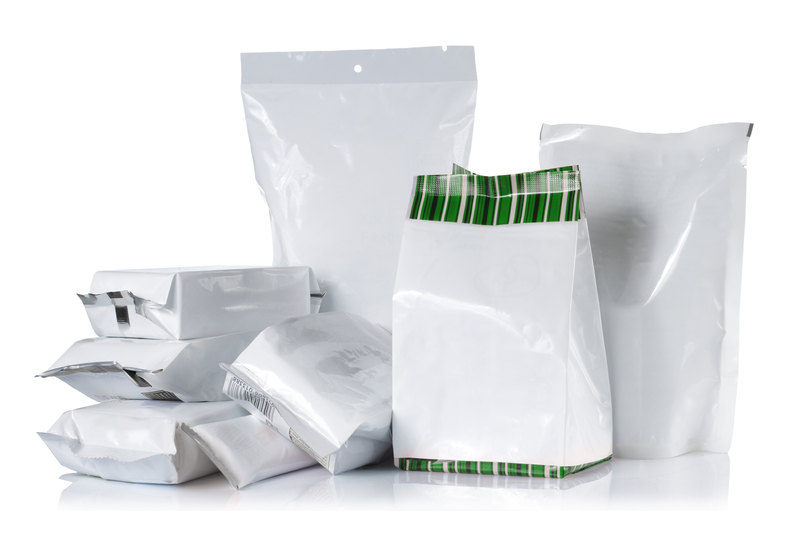
Eco-Friendly Solutions for Packaging and Cardboard Disposal
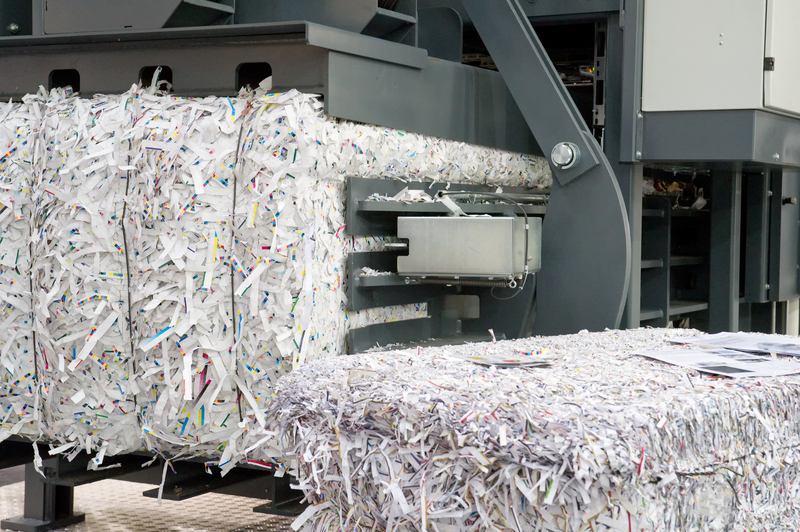
You pick up a parcel and hear that papery rustle. Another box. Another heap of void fill. Another round of breaking it all down for recycling. We all feel it--packaging is everywhere, and the pile in the corner seems to grow by itself. The good news? Smarter, eco-friendly solutions for packaging and cardboard disposal don't just reduce waste; they also cut costs, strengthen your brand, and make compliance easier. Better for the planet, better for business. That's a win-win.
In this long-form guide, we'll demystify sustainable packaging choices, show you practical ways to manage cardboard waste, and walk through UK standards and laws without the jargon. You'll get tool recommendations, a step-by-step plan, real-world examples, and a punchy checklist that works in the real world--warehouse floors, bustling stock rooms, and yes, even your hallway on a rainy London Tuesday morning. It's not about being perfect. It's about doing better, box by box.
Let's face it: there's a lot of noise out there. Biodegradable this, compostable that. We'll cut through the hype, show what actually works, and help you make informed choices that stand up to scrutiny--yours, your customers', and, to be fair, the regulators' too.
Table of Contents
- Why This Topic Matters
- Key Benefits
- Step-by-Step Guidance
- Expert Tips
- Common Mistakes to Avoid
- Case Study or Real-World Example
- Tools, Resources & Recommendations
- Law, Compliance or Industry Standards (UK-focused)
- Checklist
- Conclusion with CTA
- FAQ
Why This Topic Matters
Packaging is unavoidable, but waste isn't. In the UK, packaging waste runs into the many millions of tonnes annually, and while paper and cardboard enjoy relatively high recycling rates compared with plastics, there's still a huge opportunity to prevent waste in the first place. According to DEFRA and WRAP insights, a combination of source reduction (right-sizing), improved design, and efficient end-of-life handling yields the biggest environmental savings--fast.
For businesses, eco-friendly solutions for packaging and cardboard disposal are no longer a nice-to-have. Between Extended Producer Responsibility (EPR) reforms, the Plastic Packaging Tax, and growing consumer scrutiny (with social media ready to call out excess bubble wrap in seconds), the status quo is risky. Customers want to see tangible action: recycled content, minimal materials, and clear disposal instructions.
Picture this: a warehouse in East London, rain pattering against the skylights, you can almost smell the cardboard dust in the air. Pallets arrive, orders fly out, and the baler hums in the corner. Every decision--box size, tape type, how you sort offcuts--adds up to real money and measurable carbon.
Bottom line: getting packaging right reduces CO2e, boosts operational efficiency, and builds trust. And yes, it feels good to do the right thing. Clean, clear, calm. That's the goal.
Key Benefits
1) Lower Costs Through Smarter Design
Right-sizing and switching to lighter corrugated grades (while maintaining performance) can lower material costs, warehousing footprint, and outbound shipping charges. Eco-friendly solutions for packaging often include mono-materials (all paper-based), which streamline recycling and may reduce contamination fees.
2) Reduced Carbon Footprint
Using recycled-content corrugated, eliminating unnecessary void fill, and optimising pallet density all cut transport emissions. Life cycle assessments (LCAs) typically show that material reduction delivers the biggest win. Less in, less out.
3) Stronger Brand and Customer Trust
Clear, honest sustainability claims--verified where possible--build loyalty. Customers share positive unboxing experiences when they see thoughtful packaging: no plastic where paper would do, no oversized boxes for tiny products, and simple directions on how to recycle. It's free marketing, frankly.
4) Compliance and Risk Reduction
With UK EPR data reporting expanding and the Plastic Packaging Tax targeting plastic content, eco-friendly packaging choices reduce exposure to penalties and reputational risk. Proper cardboard disposal--sorted, uncontaminated, baled--also makes your duty-of-care obligations easier to fulfil.
5) Operational Efficiency
Standardised box ranges, easy-tear paper tapes, and on-site shredding for paper void fill streamline packing lines. And when you implement consistent segregation practices (paper with paper, plastics with plastics), waste handling gets faster and cheaper.
6) Circularity and Material Value
High-quality cardboard bales fetch better rebates. The cleaner your cardboard stream, the higher its value to recyclers. That turns waste into a revenue line--small, but not trivial.
Step-by-Step Guidance
Here's a practical route map--from materials selection to cardboard disposal--that we've seen work in busy operations. Use it as a template and tweak to your reality.
Step 1: Audit What You Use and What You Bin
- Walk the floor on a typical day. Note every packaging component: boxes, tapes, labels, fillers, sleeves.
- Measure box utilisation: how much empty space do you ship? A visual check is often enough for a first pass.
- Review waste points: offcuts near packing benches, returns, damaged cartons, contamination hotspots (e.g., wet areas).
- Collect 1-2 weeks of data on quantities and costs. Start coarse; precision comes later.
Micro moment: We once weighed a week's worth of void fill in a small Birmingham fulfilment centre--six bin bags of plastic pillows. Nobody had clocked it till then. Eye-opening.
Step 2: Choose Better Materials (Design for Recycling)
- Corrugated board: Use recycled content where performance allows. Ask for FSC-certified material and check ECT/BCT specs rather than weight alone.
- Void fill: Replace plastic pillows and foam with shredded cardboard or paper honeycomb. For fragile goods, moulded pulp works wonders.
- Tapes & labels: Switch to paper tape with natural rubber adhesive; choose water-based inks for print. Keep labels minimal and avoid plastic laminates.
- Mono-material design: If the whole pack is paper-based, disposal is simpler and recovery rates are higher.
Step 3: Right-Size and Standardise
- Create a lean "box library" with just enough sizes to cover your SKUs efficiently.
- Use cartonisation software or a simple size-matching chart to minimise void.
- Consider FEFCO-style codes for fast picking and consistent assembly.
Ever opened a giant box for a tiny item and felt... mildly annoyed? Your customers feel that too. Optimisation is empathy in 3D.
Step 4: Build a Clean Cardboard Stream
- Set up dedicated bins and trolleys for clean corrugated, clearly labelled.
- Keep food, liquids, and plastics separate. Greasy pizza boxes don't belong here--top's fine, base likely not.
- Flatten on arrival. It saves space and reduces trip hazards. Your safety manager will thank you.
Step 5: Bale or Compact for Value
- Install a baler sized to your throughput. Vertical balers suit many SMEs; horizontals for higher volumes.
- Train staff on safe use (PPE, safe loading, correct tying). Record bale weights--it's useful for reporting and rebates.
- Store bales under cover. Keep dry for maximum grade value.
Pro tip: Clean, dry bales sell themselves. Wet ones... not so much.
Step 6: Choose a Licensed Waste Partner
- Verify Waste Carrier Registration and ask for insurance and references.
- Agree on regular collections, pricing formulas, and contamination thresholds in writing.
- Keep waste transfer notes or digital equivalents for your duty of care records.
Step 7: Train, Nudge, Repeat
- Short toolbox talks beat long lectures. Show staff the good, the bad, and the messy.
- Use simple signage with photos of what belongs where.
- Celebrate wins--first 1 tonne baled, zero contamination week, anything that feels like progress.
Truth be told, culture change is the hardest part. But once people see fewer bins and a tidier floor, they get it.
Step 8: Measure and Report
- Track material usage per order and waste per order--monthly is fine.
- Estimate CO2e savings using DEFRA conversion factors or a simple LCA tool.
- Share results internally and, when robust, externally. Transparency builds trust.
Step 9: Close the Loop Where Possible
- Use your own cardboard offcuts as paper void fill via an industrial shredder.
- Ask suppliers to take back transit packaging (and keep it clean for reuse).
- Explore reusable totes for internal transfers or short-haul B2B loops.
Expert Tips
Design Using Performance, Not Just Grammage
Don't over-specify board weight. Instead, look at Edge Crush Test (ECT) and Box Compression Test (BCT) values for real-world performance. Often you can reduce grammage--and emissions--while meeting the same drop and compression needs.
Moisture Is the Silent Killer
In damp UK weather, corrugated performance drops. Store pallets off the floor, keep them shrink-free if possible, and rotate stock. A short overhang and well-fitted stretch wrap can prevent edge damage that leads to waste.
Printed Branding: Less Is Usually More
Use one-colour water-based inks where feasible. Big, glossy prints add cost and can complicate recycling. A simple brand mark plus a short recycling message punches above its weight in customer experience.
Pack Testing Beats Assumptions
Run a quick set of drop, vibration, and compression tests--there are labs and mobile rigs for this, or collaborate with your packaging supplier. Iteration is cheaper than breakage. And much less annoying for your customer support team.
Know Your Thresholds
Many recyclers specify contamination thresholds (e.g., <2-5% non-paper). Keep tapes and labels minimal and avoid plastic windows. If you must include plastics, make them easily removable.
Inventory Lean, Box Fit Smart
Align your SKU dimensions with your box range. It sounds obvious, but when buyers and packers align, waste plummets. It's kinda wild how fast this pays off.
Use Data to Challenge Habit
Ever tried clearing a room and found yourself keeping everything "just in case"? Packaging specs can be like that. Review quarterly and cut sizes or fillers that don't earn their keep.
Common Mistakes to Avoid
- Chasing buzzwords: "Biodegradable" is not the same as recyclable or compostable. In the UK, industrial compostability typically means EN 13432. Backyard compost is a different story.
- Overpacking: Customers notice. Oversized boxes raise shipping costs and CO2e--plus they look careless.
- Mixed materials in one pack: Plastic windows on paper mailers and laminated boards complicate recycling.
- Ignoring moisture control: Wet cardboard loses strength and value; keep it dry through storage and disposal.
- No training: The best spec on paper collapses if staff don't know what goes where.
- Skipping record-keeping: Under EPR, data is gold. Capture it early to avoid headaches later.
- Wishcycling: If in doubt, check OPRL guidance. Don't put plastic film in paper streams just because it "feels recyclable."
Case Study or Real-World Example
Profile: A fast-growing e-commerce brand in South London shipping home goods nationwide. Average order volume: 800/day, peaking at 2,500/day in Q4.
Problem: Sky-high packaging spend, rising customer complaints about excessive void fill, and a messy back-of-house with overflowing bins. On a windy Thursday, the ops lead admitted, "We weren't expecting this much waste--it's everywhere."
What we changed:
- Cut box SKUs from 24 to 12, optimised for common order sizes.
- Switched plastic pillows to shredded cardboard and paper honeycomb sleeves.
- Moved to paper tape with rubber adhesive; reduced label size and number.
- Installed a mid-size vertical baler and set a daily baling routine after the afternoon pick wave.
- Trained staff with a 20-minute workshop and cheat-sheet signage.
Results after 12 weeks:
- Material spend down ~18%.
- Outbound weight reduced by 7% on average, improving courier rates in some brackets.
- Customer complaints about packaging dropped by 42%.
- Cardboard rebate introduced a modest but steady revenue stream; bales clean and consistent.
- Warehouse felt calmer--less clutter, fewer fire risks, faster picks. You could almost hear the difference: fewer crinkles, more flow.
One packer said, "It's just easier. And it looks better." Simple as that.
Tools, Resources & Recommendations
Design & Analysis
- FEFCO codes: A common language for corrugated designs that speeds up sourcing and standardisation.
- LCA tools: Use streamlined LCAs or calculators informed by DEFRA conversion factors to estimate CO2e impacts.
- OPRL guidance: The UK's On-Pack Recycling Label scheme provides clear, evidence-based disposal advice: oprl.org.uk.
Materials & Equipment
- Recycled corrugated: FSC-certified, with performance tested via ECT/BCT.
- Paper tapes and water-based inks: Improve recyclability and reduce plastic contamination.
- Paper-based void fill: Shredded cardboard, kraft paper, or honeycomb--great shock absorption without plastic.
- Balers & compactors: Sized to throughput; look for safety interlocks, easy tying, and service support.
- Moisture control: Pallet covers, canopies, and dry storage protocols to protect fibre strength.
Training & Culture
- Short video demos at packing benches.
- Visual bin signage with "yes/no" items.
- Monthly micro-audits and friendly competitions for the cleanest bale stream.
Law, Compliance or Industry Standards (UK-focused)
The UK regulatory landscape is evolving. Here's what matters most for eco-friendly solutions for packaging and cardboard disposal:
Extended Producer Responsibility (EPR) for Packaging
- Who: UK organisations that supply or import packaging above certain thresholds must collect and report data, and will be liable for scheme fees as EPR phases in.
- What: Report packaging placed on the market by material type, including recycled content, formats, and tonnages.
- Why: Costs shift to producers to incentivise design for recyclability and higher recovery rates.
See UK government guidance on EPR updates via GOV.UK. Keep records clean. Data is everything.
Plastic Packaging Tax (PPT)
- Applies to plastic packaging with less than 30% recycled content, manufactured or imported into the UK.
- Encourages design changes and recycled content adoption.
- Cardboard is unaffected directly, but mixed-material packs may trigger PPT liabilities.
Reference: PPT guidance.
Waste Duty of Care
- Businesses must ensure waste is handled safely by licensed carriers and sent to appropriate facilities.
- Keep waste transfer notes (or digital records) and verify carrier details.
Standards You'll See
- BS EN 13427-13432: Packaging standards covering reduction (13427), reuse (13429), recyclability (13430), energy recovery (13431), and compostability (13432).
- ISO 14001: Environmental management systems--useful for building credible processes.
- CMA Green Claims Code: Marketing claims must be truthful, clear, and substantiated. Overclaiming "green" is risky.
Reality check: If your mailer is "compostable," specify where (industrial vs. home) and provide disposal guidance. Otherwise, it's misleading.
Checklist
- Audit packaging SKUs, weights, and void fill weekly for a month.
- Switch to FSC-certified, recycled-content corrugated with verified ECT/BCT.
- Standardise a lean box range; deploy cartonisation logic.
- Replace plastic void fill with paper-based options or shredded cardboard.
- Adopt paper tape and water-based inks; keep labels minimal.
- Segregate clean cardboard at the source, away from moisture and food.
- Install the right baler; train staff and track bale weights.
- Contract a licensed waste carrier; document collections and rebates.
- Prepare for EPR reporting; align SKU data with packaging specs.
- Educate packers monthly; celebrate milestones to keep momentum.
Conclusion with CTA
Eco-friendly solutions for packaging and cardboard disposal aren't abstract ideals--they're practical, money-saving, customer-pleasing moves. From right-sized boxes to clean cardboard bales, every change turns a small environmental win into a daily habit. And habits change the game.
If you're starting out, start small. One box size rationalised, one tape switched, one tidy bale. You'll see the space clear, hear the warehouse breathe, and feel the team's pride. Step by step, better becomes normal.
Get a free quote today and see how much you can save.
And remember--progress beats perfection. Always has.
FAQ
What does "eco-friendly packaging" actually mean?
It means packaging designed to minimise environmental impact across its life cycle--less material, recycled content, high recyclability, and responsible inks/adhesives. In practice, think right-sized corrugated boxes, paper-based void fill, and simple, mono-material designs.
How should I dispose of cardboard packaging at home in the UK?
Flatten boxes, remove heavy plastic tape if practical, keep them dry, and place in your kerbside recycling. Most councils accept clean cardboard; check your local guidance for specifics on large quantities or collection schedules.
Can greasy or wet cardboard be recycled?
Grease and food contamination reduce recyclability. For pizza boxes, the clean lid often can be recycled; the greasy base should go to general waste or food waste if your council accepts compostable fibre (varies). Keep cardboard dry--wet fibres lose strength and value.
Are "biodegradable" mailers better than recyclable cardboard?
Not necessarily. "Biodegradable" isn't a disposal route. If a pack isn't accepted in real-world collection systems, it may do more harm than good. Recyclable cardboard is widely collected and genuinely circular in the UK.
Is compostable packaging recyclable with paper?
Industrial compostable materials (EN 13432) often are not recyclable in paper streams. They need specific composting conditions, which your council may not provide. Use OPRL guidance and label clearly to avoid contamination.
What's the quickest way to reduce packaging costs?
Right-size your cartons and switch to a lean box range. This cuts material, storage, and shipping costs while improving the unboxing experience. Replacing plastic void fill with shredded cardboard is another quick win.
Does paper tape really help with recycling?
Yes. Paper tape with natural rubber adhesive is generally compatible with paper recycling. It reduces plastic contamination and can simplify sorting. Keep tapes minimal regardless.
How do I get better value from cardboard waste?
Keep it clean and dry, bale by grade, and agree contamination thresholds with a licensed recycler. Document bale weights and collection dates--data helps negotiate better rebates.
What UK laws apply to my business packaging?
Watch for EPR for packaging (data reporting and upcoming fees), the Plastic Packaging Tax for plastic items under 30% recycled content, and waste duty of care regulations. If you make environmental claims, follow the CMA Green Claims Code.
How can I measure my carbon savings from packaging changes?
Track material reduction and recycled content, then apply DEFRA greenhouse gas conversion factors or use a simplified LCA tool. Even a basic before/after comparison provides useful insight and a story you can share.
Should I remove all tape and labels from cardboard before recycling?
Remove heavy plastic tape if it's easy, but small amounts are typically handled at the mill. Focus on keeping the cardboard clean and dry. That matters most.
Is shredded cardboard strong enough as void fill for fragile items?
Often, yes--especially when combined with paper honeycomb for edges or corners. Test with your products. For extra-fragile goods, moulded pulp or engineered paper pads add protection without plastic.
What if my goods need moisture protection?
Use paper-based barrier wraps or minimal plastic where essential, and keep it separable. Provide clear disposal guidance (e.g., "remove film; recycle box"). Design for easy disassembly.
How frequently should we bale cardboard?
Align baling to your order rhythm--often once or twice daily. Avoid overfilling balers and keep a clean staging area. Consistency beats sporadic marathons.
Do customers really notice right-sized packaging?
Absolutely. Reviews frequently mention excessive packaging. Right-sizing shows respect for the customer's space and the planet. It's a small detail with outsized impact.
What's the safest way to train staff on the baler?
Use the manufacturer's training, reinforce with internal SOPs, and mandate PPE. Lockout/tagout for maintenance, and never bypass safety interlocks. Keep signage visible and simple.
Can I claim my packaging is "carbon neutral" if I offset?
Be careful. Follow PAS 2060 guidance for credible neutrality claims, disclose boundaries and offsets, and prioritise real reductions first. The CMA Green Claims Code expects clarity and evidence.
Is using second-hand boxes acceptable for shipping?
Yes, if they meet performance needs. Check integrity (no crushing, moisture, or weak seams). Reuse is near the top of the waste hierarchy and can be both eco-friendly and economical.
Where do I start if I'm overwhelmed?
Start with a one-week audit: right-size two of your most common orders, switch to paper tape on one line, segregate cardboard cleanly, and weigh your first bale. Small steps, big momentum.
On a quiet Friday, when the last bale clicks tight and tidy, take a breath. You did that. Better, simpler, kinder. And Monday will be easier.