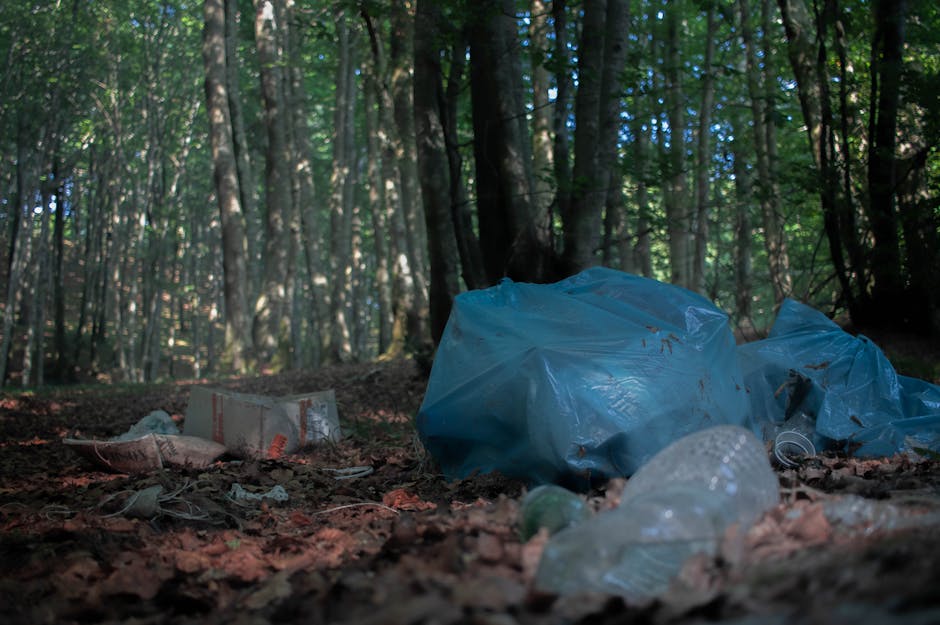
Lesnes Abbey Woods rubbish removal tips: a practical guide for cleaner, safer clear-ups
If you are looking for Lesnes Abbey Woods rubbish removal tips, you are probably dealing with one of two things: a messy outdoor tidy-up, or the sort of awkward waste that builds up after gardening, home clear-outs, or light works near Abbey Wood. Either way, the job feels bigger once you actually start. Bags multiply. Branches scratch. Old bits of wood, broken planters, and random offcuts seem to appear from nowhere. Funny how that happens, really.
This guide brings the job back into focus. You will find practical ways to sort waste, avoid common mistakes, protect the woodland setting, and decide when a simple DIY trip is enough and when a professional collection makes more sense. The aim is not just to remove rubbish quickly, but to do it properly, with less stress and fewer surprises.
Quick takeaway: the safest, cleanest result usually comes from sorting waste early, separating reusable or recyclable items, keeping any hazardous material out of mixed piles, and planning removal before the heap gets too large to manage comfortably.
Why Lesnes Abbey Woods rubbish removal tips Matters
Lesnes Abbey Woods is a place people use for walking, family time, dog exercise, quiet thinking, and the occasional breath of fresh air when London feels a bit too full-on. That means rubbish removal around the area needs a bit more care than a standard indoor clearance. A careless fly-tip, a bag left too long, or a pile of mixed waste dumped near access points can spoil the look and feel of the space for everyone.
There is also the practical side. Outdoor rubbish is rarely neat. It can be damp, muddy, sharp, or heavy in a way that turns a simple tidy-up into a sore-back kind of afternoon. If you are clearing garden waste, old furniture, builder's debris, or general junk near the woods, good planning saves time and keeps the area safer for passers-by.
To be fair, this is not only about appearances. Well-managed rubbish removal can reduce pests, blockages, trip hazards, and that slow creeping mess that seems harmless until a windier day scatters it everywhere. A few good habits now can prevent a much bigger cleanup later.
There is also a local responsibility angle. People living and working near Abbey Wood often want quick disposal, but they also want it handled in a way that respects shared outdoor spaces. The best approach is usually simple: minimise what you throw away, separate what can be reused, and move the rest out in one controlled sweep rather than leaving it hanging around for days.
How Lesnes Abbey Woods rubbish removal tips Works
The basic process is straightforward, even if the actual pile of waste is not. Start by identifying what you have, where it came from, and whether it is garden waste, household rubbish, mixed bulky waste, or construction debris. Different materials behave differently. Wet green waste compacts, broken furniture takes up space, and rubble is heavy enough to change your loading plan pretty quickly.
Once you know the type of waste, you can decide whether to bag it, stack it, box it, or keep it separate for a specialist collection. This is where many people go wrong: they throw everything into one heap and assume sorting later will be easy. It rarely is. A little structure at the start makes the whole job calmer.
For many clearances, the workflow looks like this:
- Walk the site and identify hazards, awkward items, and anything needing special handling.
- Sort waste into clear groups: garden, general rubbish, furniture, builder's waste, metal, and anything hazardous.
- Decide what can be reused, donated, recycled, or broken down further.
- Choose the removal method that fits the volume and access.
- Load safely, keeping weight even and walkways clear.
- Check the area for small debris, nails, glass, cable ties, and bag fragments.
If the job is larger than expected, you may want a service that handles mixed waste responsibly and knows how to deal with bulky items. In those situations, a general waste removal approach is often easier than making several trips yourself. For debris from DIY work, a more focused builders waste clearance option can be the cleaner choice.
And if the clear-out is part of a bigger home reset, pages like home clearance and house clearance can help you think in terms of whole-property tidying rather than one-off bag disposal.
Key Benefits and Practical Advantages
Good rubbish removal is not just about making a space look tidy. The real value comes from how much easier the rest of the day becomes once the mess is under control. You can hear yourself think. You can get to the back fence, the shed, or the footpath without stepping around a mountain of black bags. Small mercy, but a real one.
Here are the main advantages of approaching it properly:
- Less physical strain: planned sorting and lifting reduce the chance of awkward carries and rushed movements.
- Faster clean-up: when waste is separated early, loading and collection are much smoother.
- Better recycling outcomes: recyclable materials are easier to divert when they are not mixed with everything else.
- Cleaner surroundings: fewer loose bits of rubbish means less litter spread by wind or animals.
- Lower risk of mistakes: hazardous items, broken glass, and sharp materials are easier to spot before they cause trouble.
There is another, quieter benefit: peace of mind. Once the rubbish is gone, the area feels usable again. You are not working around it, staring at it, or quietly promising yourself you will deal with it next weekend. We have all been there.
If the items are bulky furniture or worn-out household pieces, specialised services such as furniture clearance, furniture disposal, or mattress and sofa disposal can save a lot of lifting and guesswork. For appliances, the dedicated fridge and appliance removal page is especially useful because white goods need a more careful approach than garden waste or cardboard.
Who This Is For and When It Makes Sense
This topic is relevant to a lot more people than you might think. It is not only for homeowners with a messy garden. It also helps landlords, tenants, local businesses, maintenance teams, and anyone sorting out a property near Abbey Wood or on the edges of Lesnes Abbey Woods.
It makes sense if you are:
- clearing garden waste after a big prune or storm cleanup
- disposing of old outdoor furniture, broken fencing, or planters
- tidying after a light renovation or shed dismantling
- emptying a garage, loft, or spare room before a move
- dealing with rental turnover and leftover bulky items
- trying to get rid of business waste without making repeated trips
There is a nice little dividing line here. If the rubbish fits in a few bags and a boot load, you may be fine with a simple DIY run. If you have mixed bulky items, limited parking, heavy lifting, or time pressure, a professional collection becomes much easier to justify.
That is especially true for flats and tighter access properties, where moving waste through stairwells or shared entrances can be awkward. In those cases, flat clearance is often more practical than trying to improvise your own system.
Local businesses also benefit from keeping things orderly. Offices and small commercial units often build up cardboard, packaging, confidential paper, and old fixtures in a slow, invisible way. If that sounds familiar, take a look at office clearance and business waste removal. Different problem, same principle: sort early and avoid clutter creep.
Step-by-Step Guidance
Here is the practical version. No fluff, no drama.
1. Survey the waste before you touch anything
Walk around the pile and note what is there. Look for sharp edges, damp material, rusted metal, broken glass, paint tins, electricals, and anything that might be heavy in a misleading way. A bag of wet leaves can weigh far more than it looks. Nasty little surprise, that one.
2. Separate waste into clear groups
Use simple categories: green waste, timber, plastics, metal, general rubbish, furniture, and anything potentially hazardous. If you can keep each category distinct, you will save time later and reduce the risk of contamination.
3. Reduce volume where you can
Break down cardboard. Disassemble lightweight furniture if it is safe to do so. Tie branches into manageable bundles. Flatten empty containers. The less air you move, the better.
4. Protect access routes
If you are carrying items through a garden path, driveway, shared hallway, or narrow side passage, clear the route first. One slipped crate or torn bag can spread debris everywhere. You do not want to be walking backwards with a wobbly armful while dodging plant pots.
5. Load in the right order
Put heavier items low and stable, then stack lighter materials around them. This helps with balance and prevents damage. Keep bags closed, keep sharp items wrapped, and do not overload anything you still need to lift by hand.
6. Do a final sweep
Check corners, under bushes, behind bins, and around gates. Tiny scraps are easy to miss. A few nails, screws, or plastic ties left behind can be enough to cause a flat tyre, a cut, or a trip hazard.
7. Decide if professional help is the cleaner option
If the waste is more varied, more bulky, or more urgent than expected, a professional collection often ends up being the cheaper decision in real terms. Fewer trips, less time off work, less lifting, and less chance of making a mess you have to clean twice.
For outdoor waste, especially from lawns, borders, or overgrown corners, a dedicated garden clearance service is a natural fit. If you have a shed, tools, boxes, and old equipment mixed in with it, garage clearance can be the better match.
Expert Tips for Better Results
A few small habits make a big difference. Honestly, the pros are not always doing anything magical. They just avoid the messy middle ground.
- Use one staging area. Put all sorted waste in one spot so you are not wandering all over the place carrying bits back and forth.
- Keep wet and dry waste apart. Wet waste gets heavier and messier. It also makes cardboard and paper much harder to recycle.
- Wrap or box sharp items. Broken glass, metal offcuts, and bent wire should be bundled safely before moving them.
- Check every item once before disposal. It is surprisingly common to find paperwork, keys, chargers, or small valuables tucked inside drawers and boxes.
- Plan for the final 10 percent. The last few bits are usually what take the longest: tiny offcuts, corners of plastic, screws, scraps, and dust.
If you are dealing with confidential paper, do not just add it to mixed rubbish. Services like confidential shredding are more appropriate when documents contain personal or business information. And for awkward electrical or refrigerated items, using the right specialist page helps avoid the usual "where on earth does this go?" moment.
One other thing: think about timing. A windy afternoon can turn a half-finished outdoor clear-up into a low-key nightmare. If possible, pick a dry, calm window and finish the job in one go. Your future self will thank you. Probably not aloud, but still.
Common Mistakes to Avoid
Most rubbish removal headaches come from a handful of avoidable errors. The same ones keep cropping up.
- Mixing everything together: this makes recycling harder and sorting slower.
- Leaving waste exposed overnight: bags can split, rain can soak the load, and wildlife can make a mess of it.
- Ignoring heavy or awkward items: people often underestimate how hard it is to move soaked timber, broken furniture, or old appliances.
- Forgetting hazardous items: paint, chemicals, batteries, fluorescent tubes, and similar materials need extra care.
- Overfilling bags or containers: that is where strains and spills start.
- Underestimating access problems: narrow gates, stairs, parked cars, and shared entrances all slow things down.
There is also the "I will just deal with it later" mistake. It sounds harmless. Then it rains. Then the pile settles. Then the whole thing is twice as annoying. Truth be told, that is how a lot of waste jobs become bigger than they needed to be.
If the load includes old mattresses or sofas, do not simply drag them out and hope for the best. A proper route through mattress and sofa disposal or broader furniture disposal usually saves time and avoids damage to walls, door frames, and backs. Backs matter. Ask anyone who has lifted a damp two-seater at the wrong angle.
Tools, Resources and Recommendations
You do not need a warehouse full of equipment to clear rubbish well, but a few basic tools help enormously.
- Heavy-duty bags: useful for general waste and smaller garden debris.
- Work gloves: important for grip, splinters, and hidden sharp edges.
- Trolley or sack truck: ideal for heavier items on flat ground.
- Reusable crates or boxes: better than flimsy bags for mixed small items.
- Dustpan, broom, and scraper: useful for the final clean sweep.
- Straps or rope: handy for tying bundles of branches or timber.
For people who prefer to understand restrictions before starting, what can go in a skip is a useful reference point. Even if you are not hiring a skip, the general idea is the same: some waste types are fine together, while others should be kept separate.
It can also help to check service pages before you start a bigger project. For example, if you are emptying the upstairs storage space as part of the same weekend, loft clearance might be relevant too. And if a basement, outbuilding, or shed is full of old tools and clutter, a broader home clearance plan can pull everything together neatly.
For many households, especially after a seasonal clean-up, the practical question is not "Can I do this myself?" but "Do I really want to do this twice?" That is the honest test.
Law, Compliance, Standards, or Best Practice
When rubbish removal is linked to public spaces, shared access, or commercial activity, responsible handling matters. In the UK, the general expectation is that waste should be managed by a suitable, lawful route and not dumped, burned, or left where it can create nuisance or danger. If you are ever unsure, treat the safe option as the better one.
For practical purposes, good compliance means:
- keeping waste under control and not allowing it to escape into walkways or open ground
- separating hazardous items from ordinary rubbish
- using proper disposal routes for electricals, appliances, and specialist materials
- making sure items are handled by people who are equipped for the task
- checking that the approach fits the property, access route, and the type of waste involved
Best practice is just good sense dressed up neatly. Do not overload bags. Do not mix unknown chemicals with general waste. Do not leave glass or metal fragments where someone might step on them. If you are managing waste for a business, it is worth choosing a provider that can explain how it works and where different materials go. That is where trust is built, quietly.
For more detail on service expectations, you may also want to review health and safety policy, insurance and safety, and recycling and sustainability. Those pages help set a sensible standard for how waste should be handled in a careful, professional way.
Options, Methods, or Comparison Table
Different rubbish removal methods suit different jobs. Here is a simple comparison to help you decide.
| Method | Best for | Strengths | Trade-offs |
|---|---|---|---|
| DIY bagging and council-style trips | Small, light loads | Low cost if the volume is tiny; full control over timing | Time-consuming; lots of lifting; not ideal for bulky waste |
| Skip-style planning | Mixed waste from larger jobs | Good for structured clear-outs; keeps everything in one place | Needs space and correct loading; some items may not be suitable |
| Professional rubbish removal | Bulky, mixed, or urgent clearances | Fast, less lifting, more convenient, especially for awkward access | Usually costs more than a small DIY job, though often saves time and hassle |
| Specialist item disposal | Appliances, sofas, mattresses, confidential waste, hazardous items | Better handling and more appropriate disposal route | Requires identifying items correctly and booking the right service |
If you have a single category of waste, choose the simplest route. If you have several categories mixed together, specialist help tends to pay off. A lot of people try to force every job into one method. That is where the frustration starts.
Case Study or Real-World Example
Imagine a typical Saturday clear-up near Abbey Wood. A household has been trimming back the garden, clearing a shed, and getting rid of an old sofa that was damp from being stored outside too long. The back path is narrow, the bags are awkward, and there is a pile of broken pots, timber offcuts, and rusted tools by the fence.
The first instinct is often to move everything at once. But that creates problems fast. Wet green waste tears bags, the sofa catches on the gate latch, and the timber splinters start poking through. Better approach? Separate the garden waste, wrap the sharp bits, and deal with the bulky furniture on its own. If the shed also contains boxes, old paint, and general clutter, it may make more sense to treat the whole lot as a clearance rather than a simple tidy-up.
In that kind of situation, a service aligned with garage clearance, furniture clearance, and garden clearance can reduce the job from an all-day struggle to a tidy single visit. You can usually feel the difference at the end: fewer loose scraps, less mud trail, and a much calmer space.
That is the real lesson. Good rubbish removal is not about brute force. It is about sequence.
Practical Checklist
Use this checklist before you start removing rubbish near Lesnes Abbey Woods or anywhere similar in Abbey Wood.
- Have I identified every waste type in the pile?
- Have I separated green waste, general rubbish, furniture, metal, and hazardous items?
- Do I know which items are too heavy, awkward, or sharp to handle casually?
- Are bags, boxes, or bundles strong enough for the material inside?
- Is the access route clear, dry, and safe to use?
- Have I protected walls, door frames, gates, and floors where items will pass through?
- Have I checked whether any item needs specialist disposal?
- Am I certain the chosen method suits the volume of waste?
- Have I planned a final sweep for small debris, screws, and splinters?
- Do I have a backup plan if the pile is bigger than I expected?
If you can tick most of those boxes, you are already ahead of the game. If not, pause and sort things out before you begin. That tiny pause can save a lot of messing about later.
Get a free quote today and see how much you can save.
Conclusion
The best Lesnes Abbey Woods rubbish removal tips are the simplest ones: sort early, lift safely, keep waste separated, and choose the right disposal route for the job in front of you. Around a local green space, that matters even more, because a tidy clear-up should leave the area better than you found it, not messier.
Whether you are clearing a garden corner, emptying a garage, dealing with a bulky sofa, or tackling a mixed household pile, the same idea holds true. Control the waste before it controls your weekend. That is the whole trick, really.
If the job feels bigger than a few bags and one car load, use the pages on this site to match the right service to the right type of waste. A well-planned clearance is usually calmer, safer, and far less annoying than trying to improvise under pressure. And once it is done, you get that lovely quiet feeling of a space reset. Simple as that.
Frequently Asked Questions
What is the best way to remove rubbish near Lesnes Abbey Woods?
The best method depends on the type and volume of waste. Small light loads may be fine for DIY disposal, while bulky mixed rubbish is usually easier with a professional collection or a structured clearance plan.
Can I put garden waste and household rubbish in the same pile?
You can temporarily store them together, but it is better to separate them before removal. Green waste, cardboard, furniture, and general rubbish each behave differently and are handled better when kept apart.
How do I avoid making a mess while moving rubbish outside?
Use strong bags or boxes, keep access routes clear, and move one category at a time. It also helps to work on a dry day if you can, especially when dealing with muddy or leafy waste.
What should I do with broken furniture or an old sofa?
Bulky household items are usually best handled through a specialist clearance service. Pages like furniture clearance and mattress and sofa disposal are the right place to start if the item is too awkward for a normal bin run.
Is it safe to leave rubbish outside overnight?
It is usually better not to. Wind, rain, animals, and passers-by can all make things worse. If you must stage waste for a short period, keep it contained and as protected as possible.
What counts as hazardous waste?
Items such as paint, chemicals, batteries, solvents, and some electrical components may need special handling. If you are unsure, treat the item cautiously and avoid mixing it with ordinary waste.
How can I tell if I need professional rubbish removal?
If the waste is bulky, mixed, heavy, time-sensitive, or difficult to access, professional help often makes more sense. It can save time, reduce lifting, and prevent avoidable damage or stress.
What should I check before booking a clearance service?
Check what types of waste they handle, how access will work, whether any items need specialist disposal, and how pricing is explained. Clear communication at the start usually means fewer surprises later.
Can old appliances be removed with general rubbish?
Not usually. Fridges, freezers, and other appliances are better handled through a dedicated appliance removal route because they can involve components that need more careful treatment.
What is the simplest way to prepare for rubbish removal?
Sort waste into categories, break down bulky items where safe, keep pathways clear, and gather everything in one staging point. That one bit of preparation often saves a surprising amount of time.
Are there special considerations for office waste?
Yes. Office waste can include confidential papers, electronics, packaging, and bulky furniture. If the job includes documents, confidential shredding may be more suitable than general disposal.
Where should I start if I need a larger household clear-out?
Start by deciding whether the job is more like home clearance, house clearance, loft clearance, or furniture disposal. Choosing the right category makes the whole process simpler and much less chaotic.